Have you ever had a wound that caused you to drop a few drops of blood? You will inevitably notice by observing that the blood will form after a little time a barrier that prevents more blood from bleeding, as the blood contains an important component that works to stop bleeding through blood clotting, it is the platelets, which we are going to learn about in our next article


What are platelets?
Platelets are one of the types of blood-forming cells, in addition to red and white blood cells, and are produced from the bone marrow, which is the spongy center inside the bones such as: sternum, dorsal vertebrae and others, where platelets live in the bloodstream for eight to ten days.
What are the functions of platelets?
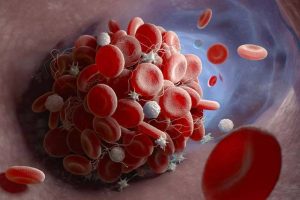
The function of platelets lies in the formation of a rapid blood clot that works to stop bleeding from the affected blood vessels, when a rupture occurs in any blood vessel, blood begins to leak out of the vessel, and to prevent continued bleeding, the platelets quickly adhere to the wall of the blood vessel and then after a few seconds of adhesion, the shape of the platelets changes from disc to active spherical, and secretes chemicals to bring more platelets to the site of injury, in addition to stimulating them to bind with fibrin protein, to increase the durability of the platelet plug formed at the site of injury.
What is the normal number of platelets (PLT) in humans?
The normal range of platelets ranges from 150,000 to 450,000 platelets per microliter.
Platelet counts are high when the count is: 500,000 to 1,000,000 platelets per microliter.
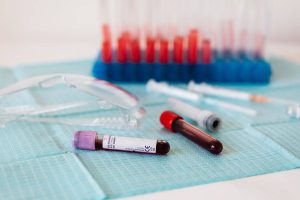
The doctor can help a person evaluate their platelet count by looking at a complete blood count (CBC) test.
The number of platelets is an important factor that the doctor does not neglect to know before and after surgery in order to predict any possible bleeding and clotting problems. It is also an important sign for those undergoing chemotherapy or radiation therapy, as these treatments may inhibit the production of platelets in the bone marrow.
What are the types of platelet disorders
Platelet disorders are divided into:
disturbances in the number of deficiency or increase, disturbances in terms of plate functions.
Platelet deficiency disorder
It is a decrease in platelet count to less than 150,000 per microliter, and platelet deficiency can occur either due to lack of manufacture in the bone marrow, or increased breakdown, and the causes can vary between congenital (i.e. from birth) or acquired.
-Lack of production due to a bone marrow problem if exposed to viral infections, drugs or tumors that inhibit its activity.
– Increased platelet breakdown, such as: attacking and breaking down the immune system, as occurs in immune platelet deficiency, SLE, or such cases as enlarged spleen that leads to an increase in its activity in the thickness of blood cells.
Symptoms of platelet deficiency?
- bleeding from the gums and nose.
- menorrhagia
- The presence of spots and bruises under the skin without being hit.
- Heavy bleeding after childbirth or during surgery
Platelet polycytosis disorder?
When the increase in platelet count is more than 450,000 per microliter, it is classified as a platelet polycytosis disorder, and this can occur as a result of:
-A blood disease such as: primary thrombocytopenia, which is a proliferative bone marrow disorder (myeloproliferative disease).
-Reactive plateletocytosis due to: chronic infection or inflammation, splenectomy, iron deficiency anemia, etc.
Symptoms of plateletism?
Arterial thrombosis: in the coronary and renal arteries.
Venous clots: in the liver, spleen or deep venous clots in the leg or pelvis
Platelet dysfunction:
There is no disturbance in the platelet count, but for various reasons they cannot function normally in the blood clotting process. Impaired platelet function can lead to frequent bleeding or clot
symptoms
Treatment of platelet disorders
Treatment methods vary according to the type of disorder present and its cause, for example, some cases of platelet deficiency do not need treatment, some may need the use of medications, and some may need stem cell transplantation or bone marrow transplantation. In cases of plateletism, most cases usually require follow-up only, and some may require some medications